Types of Suits for Men: A Complete Style Guide
Most men can find a suit. The hard part is knowing which one suits the occasion, which cut suits their body, and which details make it look right rather than simply expensive.
A navy business suit, a three-piece suit for a wedding, and a tuxedo may all read as formal to the untrained eye, yet they serve very different purposes.
This guide covers the different types of suits. You will see the difference between single-breasted and double-breasted coats, two-piece and three-piece suits, business clothing and black tie. The advice applies to off-the-rack buying and to a custom commission in New York.
Suit Styles by Construction and Cut
The Single-Breasted Suit
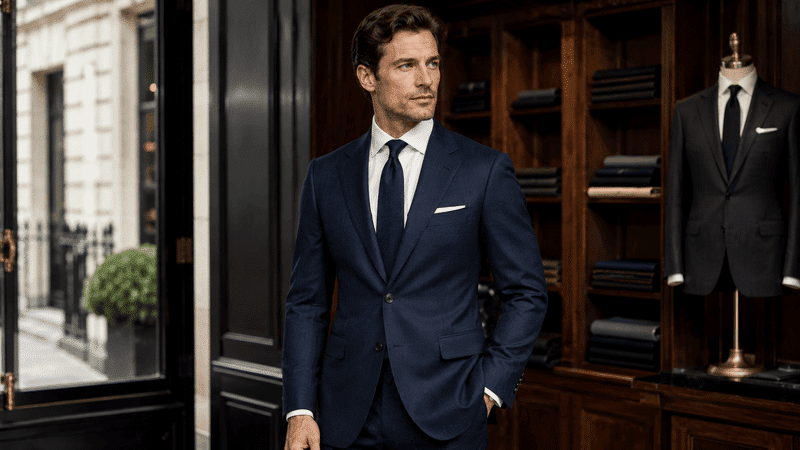
The single-breasted suit has one row of buttons and a clean front. It is the standard by which most other suit styles are judged. For most men, this is the first suit to buy and the one worn most. It works well in an office, at a wedding, in a church, at a funeral, or in an interview.
A two-button front is the modern standard. It lengthens the line of the coat. A three-button front looks more traditional and can suit taller men or those who prefer a slightly higher button stance. Both can work. The common choice for standard wardrobes is still the two-button.
This cut flatters nearly every build. It does not ask for much. It simply needs correct balance through the shoulders, chest, and waist. If you are sorting through types of suits for men and want the strongest starting point, start with this style.
The Double-Breasted Suit
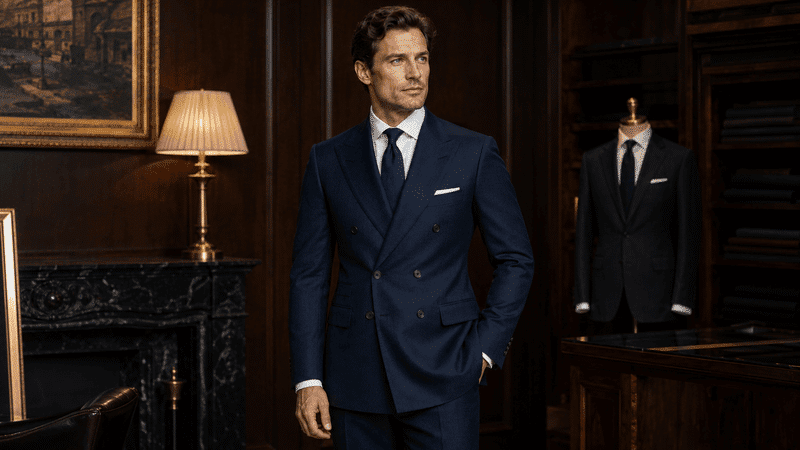
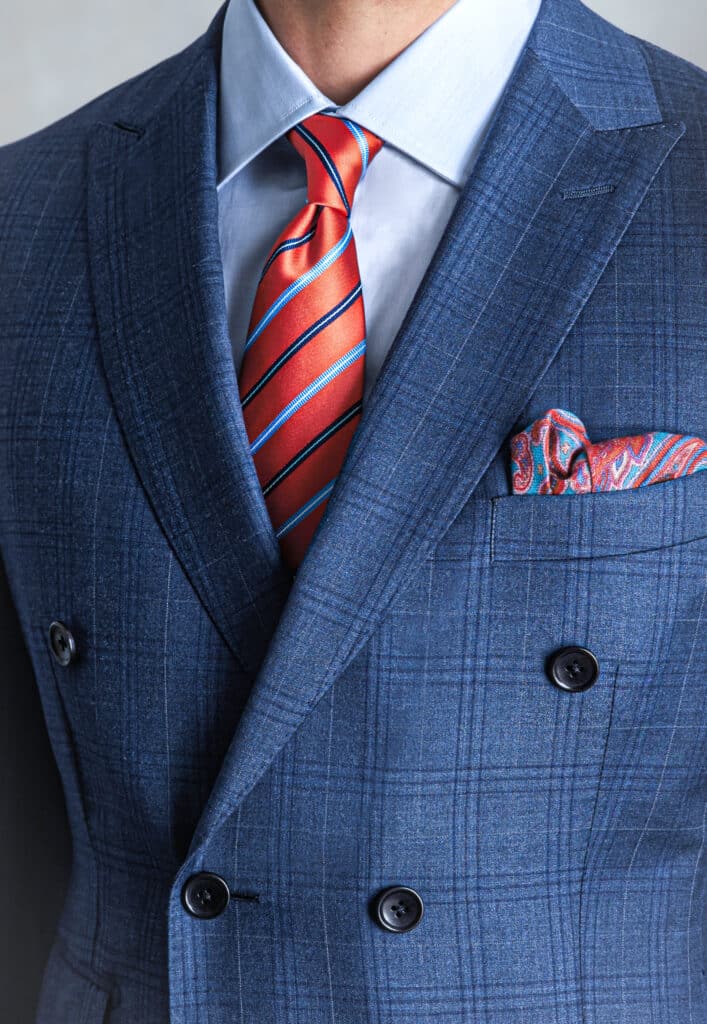
The double-breasted suit has two overlapping rows of buttons and usually peaked lapels. It gives the chest more shape and the coat a more formal line.
This style used to carry an 1980s reputation. That is no longer the case. A well-cut double-breasted suit looks clean, sharp, and current.
This style works especially well on taller men, since the broader front needs room to sit properly. Still, height is not the only factor. Good pattern cutting can make this style work on many body types.
The single-breasted vs double-breasted choice usually comes down to ease against structure. One disappears into almost any setting. The other enters the room with more authority.
Wear it to a formal dinner, a wedding, or an important business meeting. It works best when the chest and waist stay in proper balance. Get the proportions right, and the coat does the rest.
Two-Piece Suit
A two-piece suit includes a matching jacket and trousers. When most men say “suit,” this is what they mean. You can wear a tie and polished shoes for business. A knit tie or open collar works for a less rigid setting. You can change the mood with your shirt, tie, shoes, and pocket square.
This is why so many types of business suits begin here. A navy or charcoal two-piece in wool earns its place faster than anything else in a wardrobe. It handles routine use and rarely feels overdone. For first-time buyers, the two-piece still makes the most sense.
Three-Piece Suit
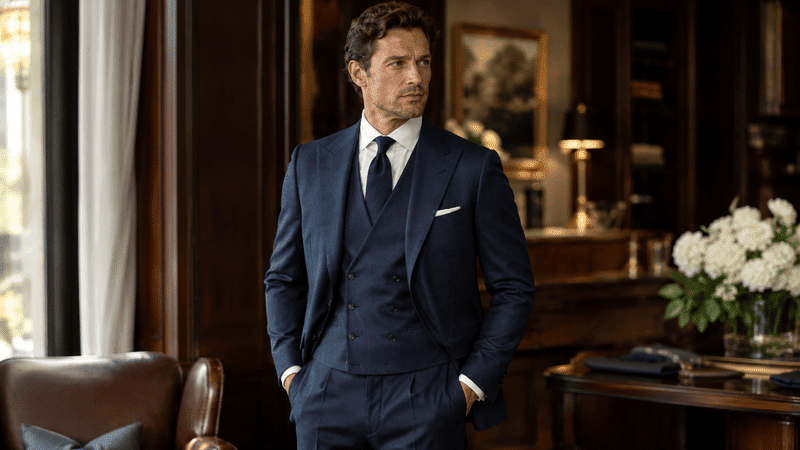
A three-piece suit adds a waistcoat to the jacket and trousers. That changes the whole effect. The suit looks more complete, formal, and deliberate. It also looks good when the jacket comes off, which matters at weddings and long evening events.
Some men worry that a three-piece suit looks old-fashioned. It does not, provided the coat and waistcoat outline the body and the proportions stay right. In fact, a well-cut three-piece is one of the strongest things a man can wear. It brings shape through the torso and gives the clothing a settled look.
This style shines on a groom, at a formal daytime event, or in a wardrobe that already has the usual navy and charcoal covered. It is not the first suit for every man. It may be the most memorable one.
Suit Formality From Business to Black Tie
The Business Suit (Lounge Suit)
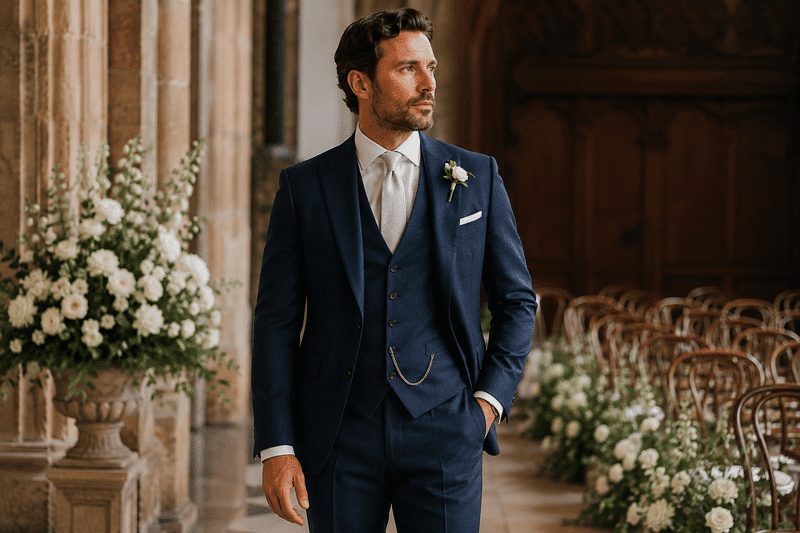
The business suit, also called the lounge suit, is the workhorse of modern dressing. If an invitation says “lounge suit,” it means a normal dark suit with a dress shirt, tie, and proper shoes. It does not mean a blazer with odd trousers. It does not mean business casual. It means a real suit.
Navy and charcoal remain the safest colors. Worsted wool is the standard fabric because it breathes, drapes well, and holds its shape through a long day. If you are buying your first custom suit, this is the category to start with. The business suit covers far more ground than any other item in a man’s closet.
Business Formal

Business formal is still a lounge suit, but stricter. The color goes darker. The tie is required. The cut needs to be precise, because the room will notice the details even if nobody says so aloud.
This level suits board presentations, senior interviews, major client meetings, and any setting where judgment starts before you speak. Choose a dark navy or charcoal single-breasted suit. Business formal is not black tie. It is business dress with no casual note in sight.
Black Tie and the Tuxedo
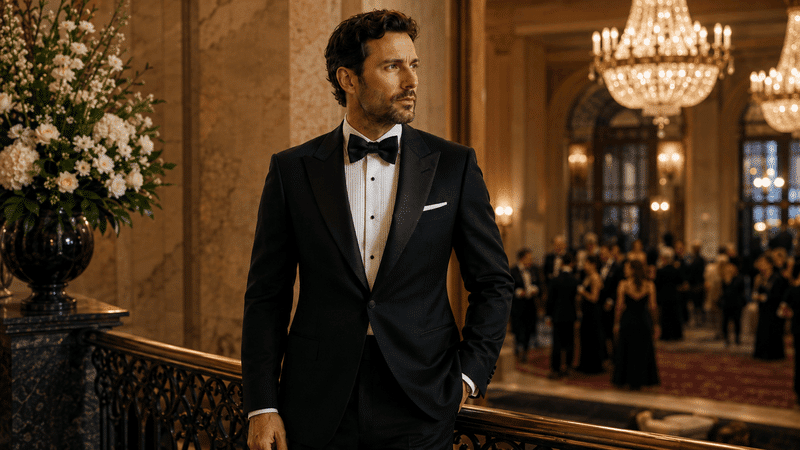
Men ask about the difference between a tuxedo and a suit all the time. It comes down to the dress code. A tuxedo is formal evening wear, and it follows its own rules. If the invitation says black tie, wear a tuxedo.
A dark suit works only if the invitation says black tie optional. Even then, it should be dark, plain, and very well fitted. It can pass in the room, but it is still not a tuxedo.
White Tie: The Most Formal Dress Code
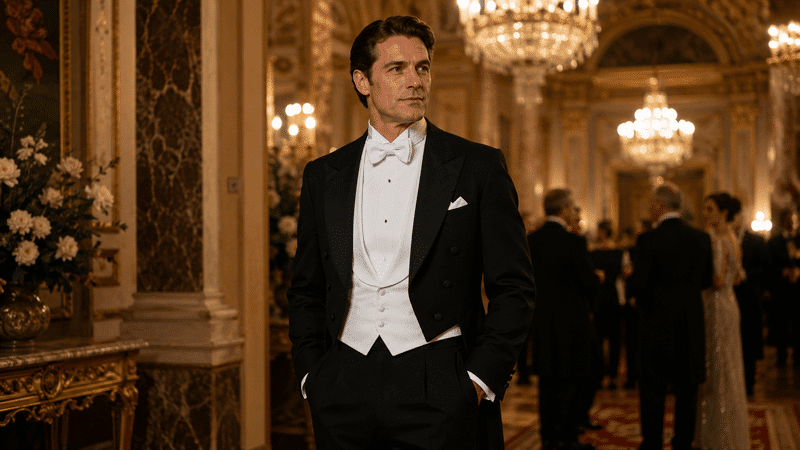
White tie is at the top of the formality scale. There’s no room to improvise. You’re in a black tailcoat, white waistcoat, white bow tie, and formal evening trousers.
You’ll only see it at the most formal events. State dinners, grand balls, the kind of galas that still follow old rules. It’s rare, and it’s meant to feel that way.
Morning Dress
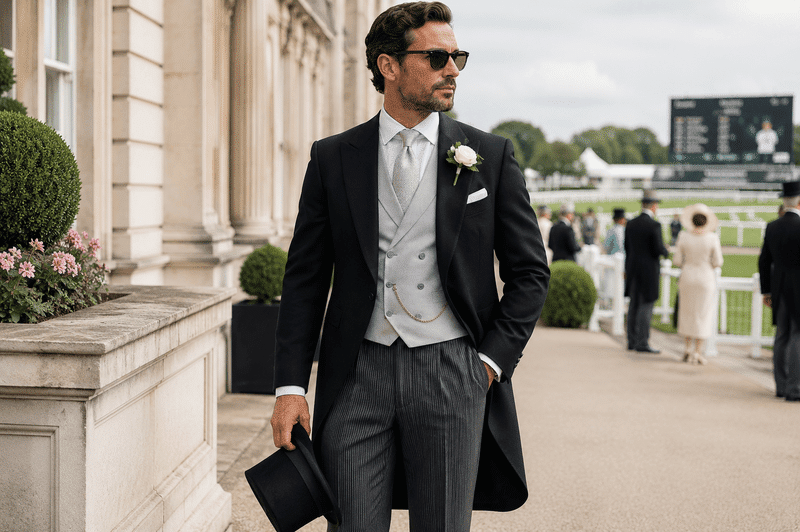
Morning dress is formal daytime wear. It has a set look: a morning coat with a cutaway front, striped trousers, a waistcoat, tie, and polished shoes. You’ll usually see it at British-style weddings, race events like Royal Ascot, and the occasional American daytime event that sticks to tradition.
It’s the daytime version of a tuxedo. It feels precise and a bit ceremonial, because it is. If the invite says semi-formal, a regular suit is enough. And if the event is more relaxed, a custom sports coat can be a better fit than going all in.
Why Fit Matters More Than Style
Style gets the attention. Fit decides the result. A costly suit in the wrong size looks wrong at once. A modest suit with a clean fit looks far better.
You will hear four fit terms:
- Classic or regular fit gives more room through the chest and leg.
- Slim fit cuts closer all over.
- Modern fit sits between the two and works well for many men.
- Custom cut tailored to your body and posture, based on your measurements rather than a factory block.
Off-the-rack clothing is cut for an average body that few men actually have. Alterations can help, but only to a point. A true fitting starts with your actual stance, shoulder slope, and posture.
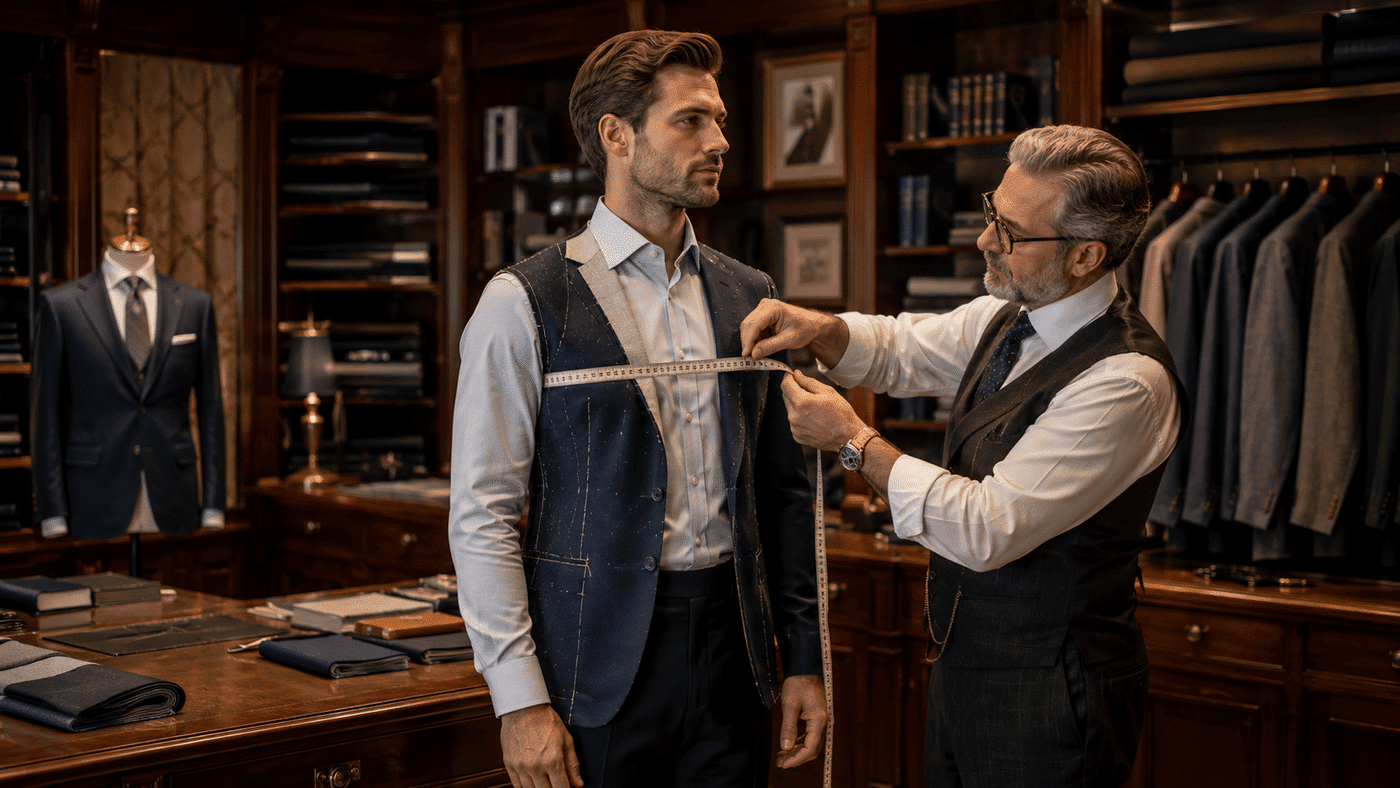
At Alan David, our 30-measurement fitting process includes a basted fitting, which allows the garment to be checked on the body before the final make is completed.
Choosing the Right Suit Fabrics
Fabric affects how a suit wears over time. Worsted wool is still the go-to. You can wear it most of the year. It resists wrinkles better than many other fabrics and keeps a sharp line. If someone asks what to buy first, this is the easy answer. Start with worsted wool, and you won’t regret it.
Other fabrics to choose from:
- Flannel and tweed suit autumn and winter, adding depth through texture. A charcoal flannel suit can look serious and warm at the same time.
- Tweed leans more toward country and casual, so it fits less well in business settings.
- Linen is made for heat. It breathes well and looks best when you accept its natural creasing.
- Cotton sits between wool and linen. It feels relaxed and suits smart casual dressing well.
- Cotton and linen blends can help frequent travelers or anyone who wants better wrinkle resistance.
Luxury mills change the feel of a suit the moment you put it on. Cloth from Zegna, Loro Piana, and Dormeuil often offers finer drape and stronger long-term wear when the garment is cut and sewn well. That is one reason custom houses keep those books close at hand.
How to Build a Suit Wardrobe?
Start with one suit you can wear almost anywhere. Navy or charcoal is the right place to begin. Make it single-breasted, two-piece, and cut from worsted wool. It will look right in almost any room without trying too hard. You can wear it to meetings, interviews, funerals, dinners, and most weddings. Change the shirt and tie, and the same suit takes on a different tone.
Your second purchase depends on your lifestyle. If you attend black-tie events more than once in a while, buy a tuxedo. Renting doesn’t always work, and a custom tuxedo solves the problem.
If you don’t attend black tie events often, your second suit may be a mid-grey option or a lighter tan or cream suit for warm-weather events.
A three-piece suit comes next for men who want a stronger presence at formal occasions. It is not a must, but a strong addition once the basics are in place.
A small wardrobe of good suits beats a packed closet of average ones. You’ll reach for them more, and they’ll look better every time you do.
Finding a Suit That’s Right for You
The right suit is not the one with the most fashion detail. It is the one that matches the occasion, respects your build, and fits as if it belongs on you. Once you understand the types, the next step is fit.
If you want help sorting that out, book an appointment and visit us in our New York showroom. We have been fitting men since 1913, and we take that history as a promise. We back our work with a Perfect Fit Guarantee and free lifetime alterations.